
2026-10-08 · Mark Harrison
Lake Effect Snow and Furnace Venting Issues Near Lake Erie
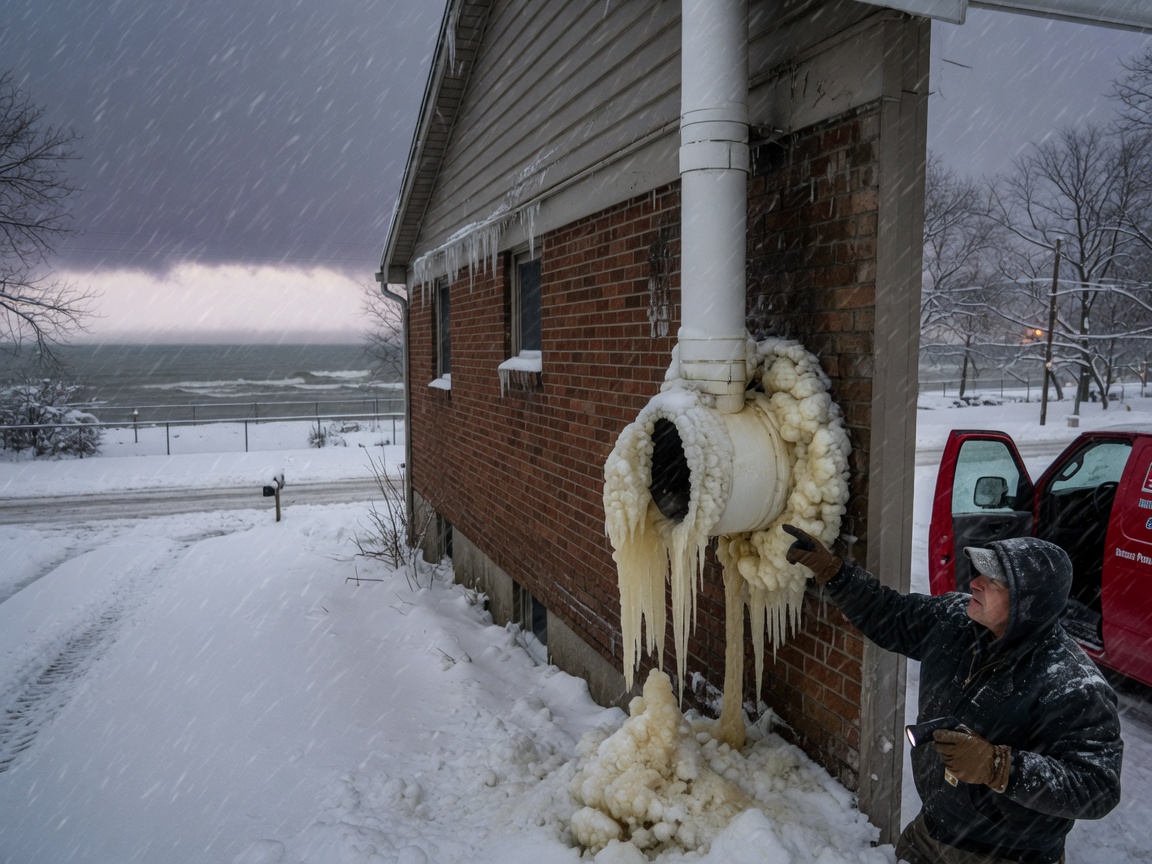
Lake effect snow near Lake Erie can significantly impact furnace venting, potentially causing dangerous blockages that lead to carbon monoxide buildup and furnace malfunctions. Homes in cities like Cleveland, Mentor, Ashtabula, and other communities along the Lake Erie shoreline are particularly susceptible to these issues due to the heavy, often wet and drifting snow characteristic of this weather phenomenon. When vents become obstructed, your furnace can't properly expel combustion gases, forcing them back into your home. This isn't just an inconvenience; it's a serious safety hazard that can necessitate immediate furnace repair, especially if your furnace starts short cycling or you detect a burning smell.
Understanding Lake Effect Snow's Impact on Furnace Vents
Lake effect snow forms when cold air masses move across the relatively warmer waters of Lake Erie, picking up moisture and then dumping it as heavy snowfall on downwind areas. This isn't your typical light, fluffy snow; it's often dense, wet, and can accumulate rapidly, sometimes at rates of 2–3 inches per hour or more during intense bands. This heavy, localized snowfall creates unique challenges for furnace venting. Unlike other parts of Across Ohio, where snow might be lighter, the lake effect variety can quickly cover ground-level exhaust and intake vents, or build up against the side of a house, completely burying them. The sheer volume and density of this snow can create a solid barrier, preventing your furnace from breathing properly. This is particularly critical for high-efficiency furnaces, which often have two PVC pipes protruding from the side of the house, one for intake and one for exhaust, making them more vulnerable to snow blockage than older, chimney-vented systems.
Identifying Blocked Furnace Vents
Recognizing the signs of a blocked furnace vent is crucial for safety. If your furnace is struggling to operate or showing unusual symptoms during or after heavy snowfall, a blocked vent could be the culprit. One of the most common indicators is your furnace repeatedly turning on and off, or "short cycling." This happens because the furnace's safety sensors detect an issue with combustion air or exhaust and shut the system down to prevent dangerous situations. You might also notice a burning smell or a musty odor if exhaust gases are not properly evacuating. Furthermore, if your furnace is blowing cold air, or simply won't turn on at all, a vent blockage could be preventing it from igniting or sustaining operation. In extreme cases, a blocked vent can lead to a carbon monoxide detector alarm, which should always be taken seriously and prompts immediate action.
The Dangers of Carbon Monoxide Buildup
The most severe consequence of a blocked furnace vent is the potential for carbon monoxide (CO) buildup inside your home. Carbon monoxide is a colorless, odorless, and tasteless gas produced during incomplete combustion. When your furnace's exhaust vent is blocked, these deadly gases can back up into your living space instead of being safely expelled outdoors. Symptoms of CO poisoning can be subtle and mimic the flu, including headaches, dizziness, nausea, and fatigue. Prolonged exposure can lead to unconsciousness, brain damage, and even death. Every home in Across Ohio, especially those near Lake Erie, should have working carbon monoxide detectors on every level and near sleeping areas. Regularly checking these detectors and ensuring they have fresh batteries is just as important as maintaining your furnace itself. If your CO detector sounds, evacuate your home immediately and call 911.
Prevention Strategies for Lake Effect Snow
Proactive measures are key to preventing furnace vent blockages during Lake Effect snow events. First, know where your furnace's intake and exhaust vents are located. For many modern high-efficiency furnaces, these are 2–3 inch diameter PVC pipes typically found on the side or rear of your home, often within 1–3 feet of the ground. Mark these locations with brightly colored stakes or flags so they are visible even under several feet of snow. Regularly clear snow away from these vents, maintaining at least 12–18 inches of clear space around them. Pay close attention to drifting snow, which can accumulate rapidly and unexpectedly. Consider installing vent extensions or specialized vent covers designed to prevent snow and ice buildup, but always consult with a professional HVAC technician before modifying your venting system. Proper maintenance, including annual furnace tune-ups, can also help ensure your system is operating efficiently and safely, reducing the likelihood of issues during extreme weather. If your furnace is running constantly and still not heating, it could be a sign of underlying issues exacerbated by vent problems.
What to Do if Your Vent is Blocked
If you suspect your furnace vent is blocked, the first step is to turn off your furnace at the thermostat and, if safe to do so, at the emergency shut-off switch. This prevents the furnace from continuing to operate and potentially drawing dangerous gases into your home. Next, carefully clear any snow, ice, or debris from around the intake and exhaust vents. Use a broom or your hands; avoid using shovels or harsh tools that could damage the PVC pipes. Once cleared, wait a few minutes for any lingering gases to dissipate, then restart your furnace. If the furnace still exhibits problems like short cycling or not turning on, or if your carbon monoxide detector continues to alarm, do not attempt further repairs. It's time to call a professional for emergency furnace repair. Buckeye Furnace Care offers services across the Across Ohio area, including cities like Cleveland, Akron, and Canton, and our team is available Mon–Fri 8am–6pm, Sat 9am–2pm to address urgent furnace issues. We can diagnose problems like a furnace not heating or a furnace making strange noises that often accompany vent issues.